

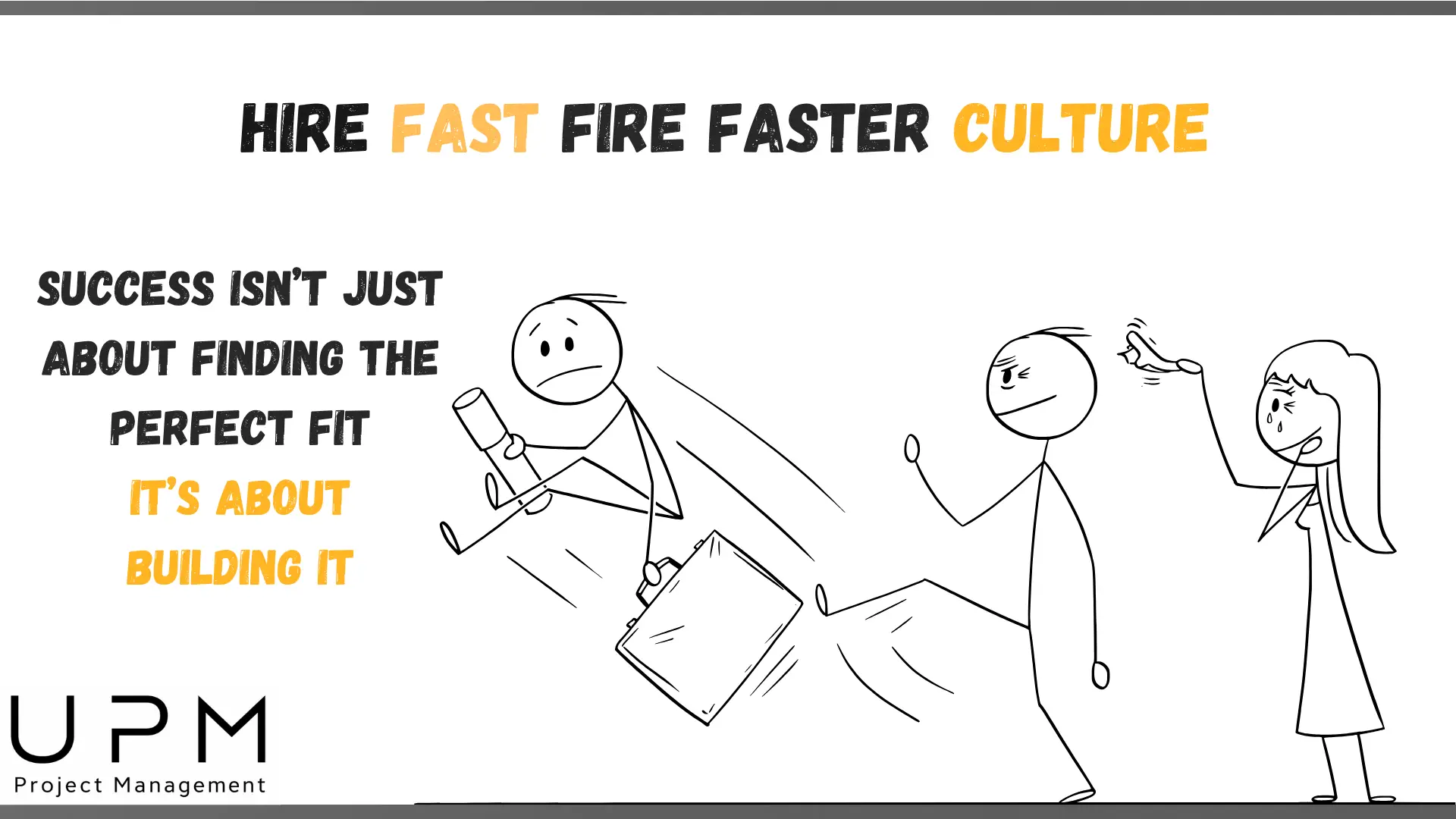
Where Expectations Come in High, and Employees Exit Stage Left
Strong Project Team Management is essential when expectations are high, deadlines are tight and project pressure begins to affect the people responsible for delivery.
In fit-out and construction projects, the technical scope is only one part of the challenge. Teams also need clear responsibilities, realistic workloads, strong communication and effective leadership.
At UPM Project Management, we believe that successful delivery depends on managing both the project and the people behind it.
Project Team Management Starts With Clear Expectations
Projects become difficult when expectations are unclear or unrealistic.
Clients may expect faster delivery. Contractors may be under pressure to complete work. Consultants may be waiting for approvals. Site teams may be working across several priorities at once.
Without clear direction, pressure quickly builds.
For this reason, Project Team Management should begin with defined responsibilities, realistic targets and clear communication.
When everyone understands what is expected, teams can focus on delivery instead of constantly reacting to confusion.
High Expectations Need Strong Structure
High standards are important.
However, expectations must be supported by the right project structure.
A team cannot perform effectively if priorities keep changing, information is incomplete or decisions are delayed.
UPM helps create structured workflows for approvals, reporting, coordination and decision-making.
As a result, the project team has a clearer framework to work within.
This reduces unnecessary pressure and helps everyone focus on the activities that matter most.
Communication Reduces Pressure
Poor communication creates stress.
When people are unsure about decisions, responsibilities or deadlines, they often spend more time chasing information than completing their actual work.
Clear communication helps prevent this.
UPM coordinates between clients, consultants, contractors and suppliers to make sure important information reaches the right people.
In addition, structured reporting helps teams understand what is complete, what remains outstanding and what needs immediate attention.
This makes Project Team Management more efficient and reduces avoidable frustration.
Leadership Matters When Projects Become Difficult
Every project faces challenging periods.
Deadlines may move closer. Site issues may appear. Materials may be delayed. Changes may affect the programme.
During these moments, strong leadership becomes essential.
Good leadership does not simply increase pressure.
Instead, it helps teams prioritize, solve problems and understand what needs to happen next.
At UPM, we focus on keeping teams aligned and helping stakeholders make practical decisions under pressure.
Unrealistic Workloads Create Project Risk
A project may appear well managed on paper while the people delivering it are overloaded.
This is a serious risk.
Overworked teams are more likely to miss details, delay decisions and make avoidable mistakes.
Therefore, effective Project Team Management must consider workload as well as programme.
Tasks should be distributed clearly. Responsibilities should be realistic. Critical issues should receive the right level of attention.
This creates a more stable working environment and supports better project performance.
Coordination Prevents People From Working Against Each Other
Project teams often include people from different companies and disciplines.
Each party may have different priorities.
Designers may focus on quality. Contractors may focus on programme. Clients may focus on cost. Suppliers may focus on production and delivery.
Without coordination, these priorities can conflict.
UPM helps align the team around the overall project objectives.
Moreover, we coordinate decisions so one party’s actions do not create unnecessary problems for another.
This helps the project move forward as one integrated process.
Accountability Should Be Clear, Not Aggressive
Accountability is important.
However, accountability works best when responsibilities are clearly defined.
Blame does not improve project delivery.
Clear ownership does.
For this reason, UPM identifies who is responsible for each action, approval and deadline.
As a result, issues can be followed up objectively and resolved faster.
This approach creates stronger accountability without creating unnecessary conflict between project stakeholders.
Better Planning Reduces Team Stress
Many site problems begin before construction starts.
Incomplete design information, delayed procurement decisions and unrealistic programmes can all create pressure later.
That is why pre-construction planning is so important.
UPM reviews design, programme, procurement requirements and project risks before they affect site activities.
In addition, early coordination helps the team identify potential problems while there is still time to solve them.
Better planning creates a more predictable project environment.
Technology Can Support Better Team Management
Digital tools can improve communication and project visibility.
At UPM, we use structured reporting and digital project management systems to help teams track progress, actions and outstanding decisions.
This gives stakeholders clearer information.
As a result, teams spend less time searching for updates and more time focusing on delivery.
However, technology alone is not enough.
Strong Project Team Management still requires experienced leadership, practical judgement and good communication.
Strong Teams Deliver Strong Projects
Successful projects depend on more than drawings, budgets and programmes.
They depend on people.
When teams have clear responsibilities, realistic expectations and strong leadership, they perform better.
UPM Project Management focuses on creating that environment.
By combining structured coordination, clear communication, practical planning and experienced leadership, we help project teams remain focused even when expectations are high.
Ultimately, strong Project Team Management protects both the project and the people responsible for delivering it.